
Summer heat is quietly wearing down your car battery all season long, even though everything seems fine right up until that first cool September morning when the engine cranks slow or won’t turn over at all. The real damage happens weeks earlier, when high temperatures accelerate chemical wear inside the battery, and it only becomes obvious once colder air demands more cranking power than a weakened battery can deliver.
At Lonsdale Auto Works, Inc., we see this pattern every fall, and understanding the science behind it can help you catch the warning signs before you’re stuck in a parking lot turning the key and hearing nothing.
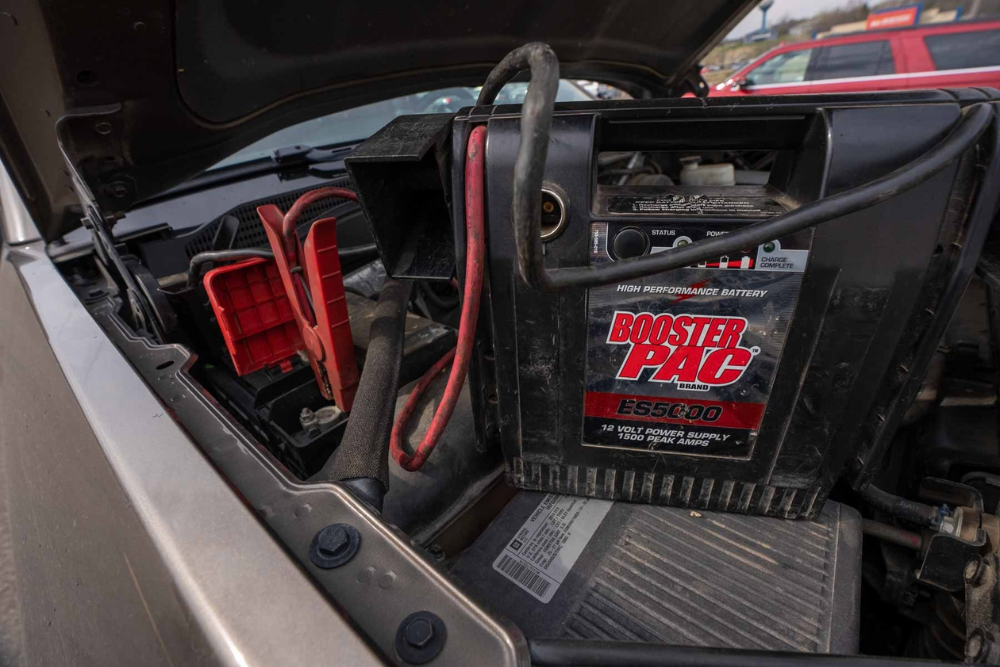
How Summer Heat Silently Damages Your Battery
A car battery is a chemical reactor. Inside, lead plates sit in a bath of sulfuric acid and water, and that mixture creates the electrical current that starts your engine. Heat speeds up chemical reactions, and that includes the ones inside your battery that you don’t want sped up.
When temperatures climb into the 90s, several things happen at once:
- The liquid electrolyte inside the battery evaporates faster, lowering fluid levels and exposing the internal plates.
- Corrosion builds up more quickly on the internal components, reducing the battery’s ability to hold a full charge.
- The plastic case and internal seals expand and contract with heat cycles, which can loosen connections over time.
- Sitting in a hot engine bay day after day accelerates all of this faster than most drivers realize.
None of this causes an immediate failure. Instead, it slowly eats away at the battery’s total capacity. A battery that could deliver full cranking power in June might only have 60 to 70 percent of its original strength left by September, even though it still starts the car every single day.
Why the Failure Waits Until the First Cold Morning in Lonsdale
This is the part that catches most drivers off guard. Your battery doesn’t announce the damage while it’s happening. It waits.
Starting an engine takes a burst of energy called cranking amps, and cold weather makes that job harder in two ways. First, engine oil thickens when it’s cold, so the starter motor has to work against more resistance just to turn the engine over. Second, a battery’s chemical reaction slows down in cold temperatures, meaning it naturally produces less power exactly when your engine needs more of it.
So picture a battery that lost 30 percent of its capacity over the summer. On a warm July morning, it still has plenty of power to spare, and you never notice a thing. Then the first 40 degree morning of September arrives. The engine needs more cranking amps, and the battery has less to give. That’s the moment the slow crank shows up, or the dashboard warning light comes on, or the car simply won’t start in the morning at all.
The heat did the damage. The cold just exposed it.
The Alternator's Hidden Role in Battery Life
A lot of drivers assume the battery works alone, but it’s actually part of a two-piece system. While the battery provides the initial burst to start the engine, the alternator takes over once the car is running. It recharges the battery and powers the electrical system, from headlights to infotainment to the fuel pump.
When an alternator is working correctly, it keeps the battery topped off and healthy. But a “lazy” alternator, one that’s underperforming without fully failing, doesn’t send enough voltage to fully recharge the battery after each start. Over weeks and months, that battery never gets back to a full charge. It’s essentially running on a slow drain, which compounds the damage already caused by summer heat.
This is why bad alternator symptoms and battery symptoms often look nearly identical to drivers. Common overlapping signs include:
- Dimming or flickering headlights and interior lights
- A battery warning light on the dashboard
- Slow engine cranking, especially at startup
- Electrical accessories acting unpredictably, like power windows or the radio
Telling the difference between a failing battery and a failing alternator usually requires proper electrical system testing rather than guesswork, since both problems can produce a car that won’t start in the morning. If you’re trying to sort out which one is causing your symptoms, our page on battery or alternator issues walks through the distinction in more detail.
If you’re already noticing slower starts or dimming lights, it’s worth having both components checked before the weather turns. Lonsdale Auto Works, Inc. is located at 616 Industrial Drive SE, Lonsdale, Minnesota 55046, and you can reach us at 507-744-3304 to get your battery and charging system looked at before the first cold snap hits.
Warning Signs Before You're Stranded
Most battery and alternator failures give off small clues before the big failure. Paying attention to these can save you an inconvenient morning:
- The engine cranks noticeably slower than it used to, especially in cooler weather
- The battery warning light flickers on, even briefly, when starting or accelerating
- Headlights seem dimmer at idle than when the engine is revved
- You hear clicking when turning the key instead of a normal crank
- The car needed a jump start recently, even once
Any one of these on its own might not seem urgent, but together they usually point to a battery or charging system that’s already under strain. Our page on identifying car start issues covers more of these early warning signs if you want to compare notes on what you’re experiencing.
Why a Pre-Winter Electrical Audit Matters for Lonsdale Drivers
Because summer heat damage is invisible until cold weather exposes it, the smartest move is proactive car battery testing before temperatures drop, not after you’re stranded. A proper electrical system check looks at more than just whether the battery starts the car today. It measures the battery’s actual remaining capacity, checks the alternator’s charging output under load, and inspects terminals and connections for corrosion buildup from the summer heat.
This kind of pre-winter electrical audit catches a weakening battery or a lazy alternator while there’s still time to address it on your schedule, rather than finding out the hard way on a freezing morning when you’re already late for work. If your check engine light has come on alongside any starting issues, it’s also worth having the full system diagnosed rather than assuming it’s just the battery. Our vehicle diagnostics service is built for exactly that kind of thorough electrical system repair evaluation.
Why Choose Lonsdale Auto Works, Inc. for Car Battery Replacement
We started Lonsdale Auto Works, Inc. because this growing community deserved a modern, professional shop where every customer feels respected and every explanation makes sense before any work begins. We’re not here to talk over your head or pressure you into anything. We’re here to explain what’s happening under the hood and let you make the call.
- ASE Certified Master Technician Leadership: The owner is an ASE Certified Master Auto Technician with additional certifications in engine performance and service consulting, so your electrical system is evaluated by real expertise.
- TECHNET and BG Shop Membership: Our shop-level memberships back our work with dependable support and access to quality parts and resources for battery and charging system repairs.
- Digital Vehicle Inspections with Photo Transparency: We document every finding with real photos, so you always see exactly what our technicians observed during your visit.
- 2-Year/24,000-Mile Warranty Coverage: Repairs and replacements are backed by warranty coverage, giving you confidence in the work long after you leave our lot.
- Community Roots That Run Deep: Scott has served on the Lonsdale City Council for 14 years and as Past President of the Lonsdale Chamber of Commerce, and our shop has earned recognition including an A+ BBB rating and 16 consecutive years winning the Talk Award, most recently in 2026.
We’ve been part of this community for two decades, and we plan to be here for the next one too.
Putting It All Together
Battery failure rarely happens out of nowhere. It’s usually the end result of a slow chemical breakdown that started months earlier during the hottest days of summer, then got exposed the moment cold weather demanded more from a battery that had less to give. Add a lazy alternator into the mix, and that decline happens even faster since the battery never gets a full recharge between starts.
The good news is that this entire process is measurable. A proper battery and alternator test can catch the problem while it’s still convenient to fix, rather than waiting for a morning when your car simply won’t start.
FAQs About Car Battery Replacement in Lonsdale
How long do car batteries last in Minnesota?
Most car batteries in Minnesota last between three and five years, though the state’s extreme swings from summer heat to winter cold tend to shorten that lifespan. Having the battery tested annually once it passes the three-year mark helps catch weakening cells before they cause a no-start situation.
Why did my battery fail as soon as it got cold?
Cold weather doesn’t cause battery damage, it exposes damage that summer heat already caused to the internal chemistry. A battery weakened by months of heat often can’t produce the extra cranking amps a cold engine demands, which is why failures cluster in early fall and winter.
What are the symptoms of a bad alternator vs. bad battery?
A failing battery often shows up as slow cranking or clicking when starting, while a failing alternator tends to cause dimming lights and electrical issues while the car is already running. Because the symptoms overlap so much, testing both components together is the only reliable way to pinpoint the actual cause before any repair is recommended.
Schedule Your Car Battery Replacement in Lonsdale Today
If your mornings have gotten slower to start or your dashboard has been flickering warnings, don’t wait for the next cold snap to find out how much life your battery has left. Call Lonsdale Auto Works, Inc. at 507-744-3304 or visit us at 616 Industrial Drive SE, Lonsdale, Minnesota 55046 for a battery and alternator check before winter settles in.
We’ll walk you through exactly what we find and help you decide on the right car battery replacement Lonsdale drivers can count on before the next cold morning arrives.