
When you turn the key and nothing happens, that sinking feeling is all too familiar. At Lonsdale Auto Works, Inc., we understand how frustrating it is when your vehicle refuses to start, leaving you stranded in your driveway or parking lot. The good news? In most cases, the culprit is either your battery or alternator, and understanding the difference between these two components can help you get back on the road quickly.
This comprehensive guide will walk you through the signs of a bad alternator versus a bad battery, teach you simple diagnostic steps, and explain when it’s time to call our team at Lonsdale Auto Works for professional help.
Understanding Your Vehicle's Electrical System
Your car’s electrical system relies on three main components working together: the battery, alternator, and starter. The battery provides the initial power to start your engine, while the alternator keeps the battery charged and powers all electrical systems once the engine is running. When one of these fails, your vehicle won’t start or may experience electrical problems while driving. Many drivers in the Lonsdale area bring their vehicles to us after experiencing starting issues, and we’ve found that knowing the difference between battery and alternator problems saves both time and money.
The battery stores electrical energy and delivers a burst of power to start your engine. Think of it as a reservoir that needs constant refilling. The alternator acts as the refilling station, converting mechanical energy from your running engine into electrical energy. When your alternator fails, your battery slowly drains until there’s no power left to start your car. Understanding this relationship is the first step in car-won’t-start troubleshooting.
Tell-Tale Signs of a Bad Battery
A failing battery often gives warning signs before it leaves you completely stranded. At our Lonsdale facility, we see these symptoms regularly, especially as Minnesota winters take their toll on aging batteries.
Common Battery Failure Symptoms
- Slow Cranking Engine: When you turn the key, the engine cranks slower than usual, struggling to turn over. This sluggish start indicates the battery doesn’t have enough power to spin the starter motor at the proper speed. Cold mornings make this symptom more noticeable, as batteries lose capacity in freezing temperatures.
- Clicking Sound Without Starting: That rapid clicking noise when you turn the key is one of the most common signs. The clicking occurs because the battery has just enough power to engage the starter solenoid but not enough to turn the engine. This clicking-but-not-starting situation typically means your battery is nearly dead.
- Dim or Flickering Lights: Before attempting to start your car, check your dashboard lights and headlights. If they appear dim or flicker when you turn the key, your battery likely lacks sufficient charge. Healthy batteries maintain consistent lighting even when accessories are in use.
- Swollen Battery Case: Extreme temperatures can cause battery cases to swell or bulge. If you notice your battery looks larger than normal or the case appears warped, internal damage has occurred, and car battery replacement is necessary.
- Age-Related Failure: Most batteries last between three and five years. If your battery is approaching or past this age, preventive replacement can save you from unexpected breakdowns.
Recognizing Alternator Problems
While batteries often fail suddenly, alternators typically give more subtle warnings over time. Our technicians at Lonsdale Auto Works use advanced diagnostic equipment to identify alternator issues before they leave you stranded.
Warning Signs of Alternator Failure
- Dashboard Warning Light: The battery-shaped light on your dashboard often indicates alternator problems, not just battery issues. When this light illuminates while driving, your alternator isn’t charging the battery properly. Modern vehicles use this warning system to alert you before complete failure occurs.
- Electrical Issues While Driving: Signs of a bad alternator include dimming headlights when idling, power windows moving slowly, or the radio cutting out intermittently. These symptoms happen because your vehicle is running solely on battery power rather than receiving a charge from the alternator.
- Strange Noises: A failing alternator bearing produces whining, grinding, or growling sounds that increase with engine speed. The alternator pulley may also create squealing noises if the belt is slipping or the bearings are worn.
- Burning Smell: Overheating alternators emit a distinct burning rubber or electrical smell. This occurs when internal components fail or belts slip excessively, creating friction and heat.
- Stalling or Difficulty Staying Running: If your car starts but dies shortly after, the alternator may not be providing enough power to keep the engine running and charge the battery simultaneously.
The Side-by-Side Symptom Comparison
Understanding bad alternator vs bad battery symptoms helps you communicate effectively with your mechanic and make informed decisions about repairs.
Battery Failure Indicators:
- Problems are most noticeable when starting
- Issues worsen in extreme temperatures
- Clicking sounds without engine turnover
- Lights and accessories work normally once started
- Jump-start provides a temporary solution
- Typically fails suddenly
Alternator Failure Indicators:
- Problems occur while the vehicle is running
- Warning lights illuminate on the dashboard
- Electrical accessories malfunction during operation
- Strange noises from the engine compartment
- The vehicle may start, but dies shortly after
- Gradual deterioration of performance
- Jump-start provides only brief functionality
DIY Jump-Start Diagnostic Test
This simple test can help determine whether you’re dealing with a battery or alternator problem. However, for accurate diagnostics, we recommend visiting our shop, where our advanced diagnostic equipment provides a comprehensive electrical system analysis to pinpoint the exact issue with your vehicle’s charging system.
Performing the Jump-Start Test
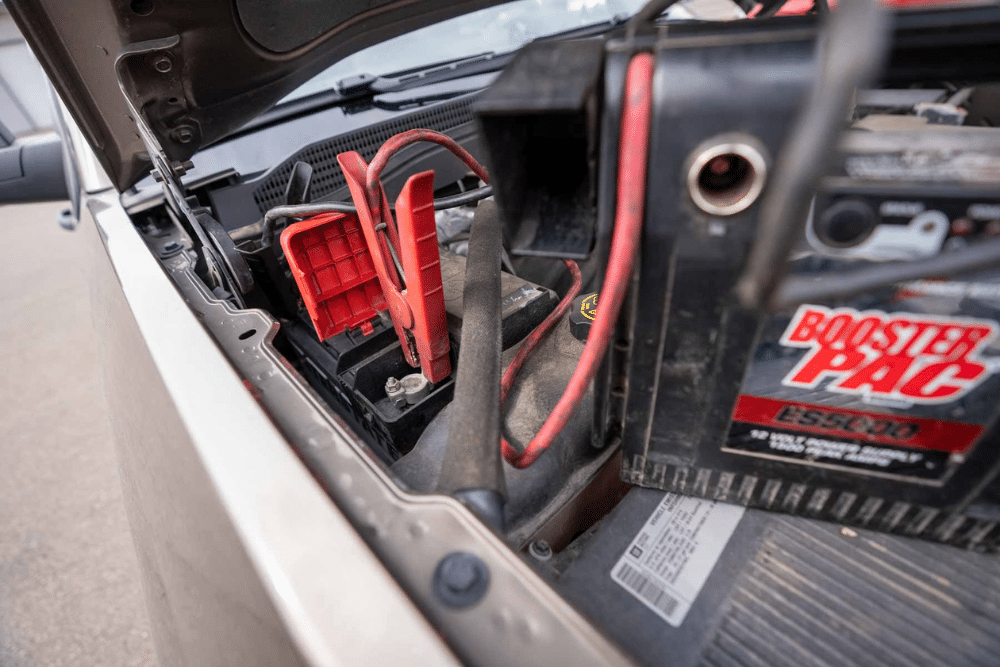
- Step 1: Get a Jump-Start – Connect jumper cables to a working vehicle and attempt to start your car. If it starts immediately, you know the battery is your issue.
- Step 2: Monitor After Removing Cables – Once your vehicle is running, carefully disconnect the jumper cables. If the engine continues running smoothly, your alternator is likely functioning properly, and you need a car battery replacement.
- Step 3: Observe Performance – If your vehicle dies immediately after removing the jumper cables, or within a few minutes of driving, your alternator isn’t charging the battery. This confirms alternator failure rather than just a dead battery.
- Step 4: Check Electrical Systems – While the engine runs (after a successful jump), turn on the headlights, radio, and air conditioning. If these accessories cause the engine to struggle or electrical performance diminishes, the alternator cannot handle the load.
Don’t guess. Get it diagnosed right the first time. Call Lonsdale Auto Works at 507-744-3304 or schedule your electrical system inspection online. We’ll provide loaner cars so you stay mobile while we pinpoint the exact problem. Visit us at 616 Industrial Drive SE, Lonsdale, MN 55046.
Why Professional Diagnostics Matter
While DIY testing provides helpful clues, professional diagnostics ensure accurate identification of electrical problems. At Lonsdale Auto Works, we’ve invested in modern diagnostic technology that goes beyond simple visual inspections.
Our technicians perform voltage tests, load tests, and computer diagnostics to measure battery and alternator performance precisely. We check for parasitic drains that slowly kill batteries overnight, test voltage regulator function within the alternator, and inspect all connections for corrosion or damage. This thorough approach prevents misdiagnosis and unnecessary part replacement.
Many vehicles have complex electrical systems where battery and alternator problems create similar symptoms. Computer-controlled charging systems, multiple batteries in diesel trucks, and hybrid technology require specialized knowledge. Our ASE-certified technicians receive ongoing training through CTI and WTI, ensuring we properly diagnose all vehicle makes and models.
Preventing Future Starting Problems
Regular maintenance prevents most battery and alternator failures. During routine service appointments, we inspect your electrical system’s health and warn you about potential issues before they cause breakdowns.
Battery Maintenance Tips:
- Have your battery tested annually, especially before winter
- Keep terminals clean and free from corrosion
- Ensure secure mounting to prevent vibration damage
- Avoid leaving accessories running with the engine off
- Replace batteries proactively at the four-year mark
Alternator Care:
- Listen for unusual noises during operation
- Address warning lights immediately
- Maintain proper belt tension and condition
- Keep the engine compartment clean to prevent debris interference
- Include electrical system checks in routine maintenance
Our 2-year/24,000-mile warranty covers both battery and alternator replacements, giving you peace of mind about your investment. We use quality parts that meet or exceed manufacturer specifications, ensuring reliable performance for years to come.
The Cost of Ignoring Warning Signs
Delaying repairs when you notice starting problems or electrical issues leads to more expensive damage. A failing alternator that continues operating will completely drain and potentially damage your battery, requiring both components to be replaced instead of just one. Similarly, a weak battery forces the alternator to work harder, potentially shortening its lifespan.
Unexpected breakdowns also create safety concerns and inconvenience. Being stranded on rural roads around Lonsdale, Webster, or Montgomery poses risks, especially during extreme weather. The cost of towing and emergency repairs often exceeds the expense of preventive maintenance and timely component replacement.
Battery and Alternator FAQs
How can you tell if it's a bad battery or alternator?
You can tell by when the problem happens: battery issues prevent your car from starting, while alternator problems cause electrical failures while driving. A quick jump-start test or professional voltage check confirms the difference.
What are the symptoms of a failing alternator?
The main symptoms of a failing alternator are a dashboard warning light, dim headlights, malfunctioning electronics, and unusual noises or burning smells. In many cases, the car starts but quickly stalls once the alternator stops charging.
Why is my car clicking but not starting?
Rapid clicking when turning the key usually means the battery doesn’t have enough power to crank the engine. The starter solenoid engages, but the battery can’t deliver the current needed to spin the starter motor.
Schedule Your Electrical System Diagnosis at Lonsdale Auto Works in Lonsdale, MN, Today!
Don’t let starting problems leave you stranded or guessing about repairs. Our team at Lonsdale Auto Works, Inc. provides thorough electrical system diagnostics using advanced testing equipment and decades of combined experience. Whether you need car battery replacement, alternator repair, or complete electrical troubleshooting, we deliver honest assessments and reliable solutions.
Visit us at 616 Industrial Drive SE, Lonsdale, MN 55046, or call 507-744-3304 to schedule your appointment. We offer convenient drop-off service, loaner cars, and even have a kids’ play area with free Matchbox cars to keep your family comfortable while we get you back on the road.
Let our ASE-certified technicians restore your vehicle’s reliability with our industry-leading 2-year/24,000-mile warranty.