If you drive a manual transmission, you know the connection between you, the clutch, and the engine. But when something feels off, slipping, sticking, or strange noises, that connection disappears, and every drive becomes a guessing game.
Recognizing the signs of a bad clutch early matters. A worn clutch can damage your transmission, reduce fuel efficiency, and leave you stranded. The good news? Most clutch issues start small and can be caught with a simple inspection.
At Lonsdale Auto Works, Inc., in Lonsdale, MN, our ASE-certified technicians help drivers catch clutch problems before they become major repairs. In this guide, we’ll cover common bad clutch symptoms, what a slipping clutch feels like, and what to expect when it’s time for replacement.
What the Clutch Does in a Manual Transmission
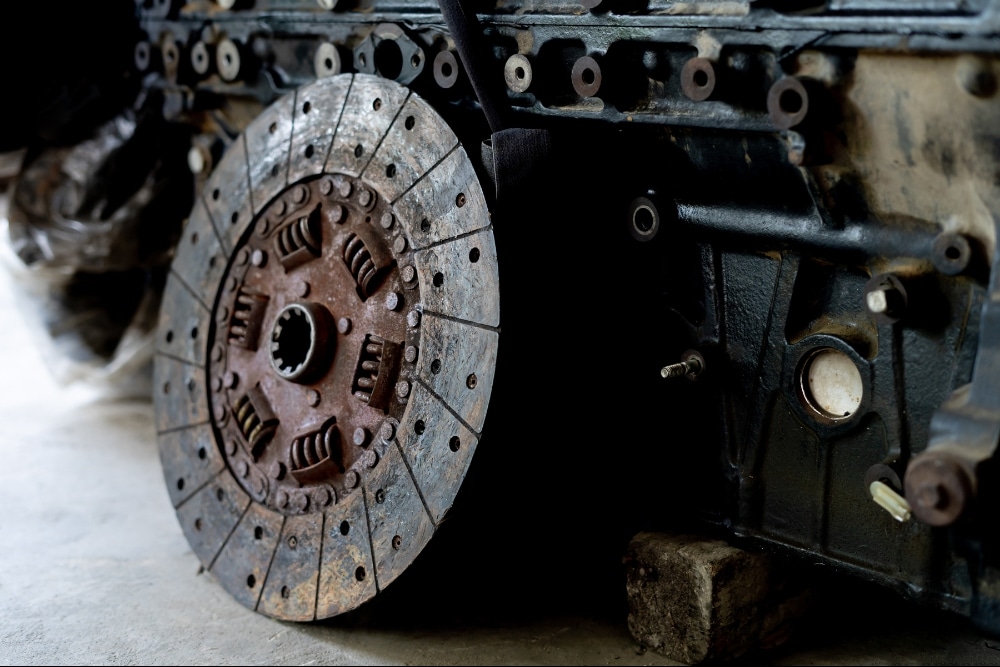
Your clutch connects the engine to the transmission, allowing you to change gears smoothly and control power. When you press the clutch pedal, it briefly disconnects engine power so you can shift without grinding. Releasing the pedal re-engages that power, sending energy back to the wheels.
This happens hundreds of times each week in normal driving during stoplights, traffic, and highway merges. Over time, that constant use leads to wear, which can turn into more serious manual transmission repairs if ignored. Understanding how your clutch works helps you spot early warning signs and keep your vehicle running efficiently.
Main Components of a Clutch System
The clutch system is made up of several key parts that work together to transfer power and allow smooth shifting:
- Clutch Disc: Creates the friction needed to transmit engine power to the transmission.
- Pressure Plate: Holds the clutch disc tightly against the flywheel during operation.
- Flywheel: A heavy rotating plate that stores energy and connects to the engine crankshaft.
- Release Bearing & Fork: Work together to disengage the clutch when you press the pedal.
- Hydraulic or Cable Linkage: Transmits movement from the pedal to the clutch assembly.
Each part plays a critical role. If even one component wears down or fails, it can throw off the entire system. In stop-and-go driving, towing, or city commutes, these parts experience more friction and heat. Over time, that leads to bad clutch symptoms like slipping, strange noises, or difficulty shifting gears.
The Most Common Signs of a Bad Clutch
Catching clutch issues early can save you from a breakdown and prevent damage to your transmission. Below are the warning signs our team at Lonsdale Auto Works, Inc. sees most often when diagnosing manual transmission problems.
1. The Clutch Slips When Accelerating
A slipping clutch happens when the clutch disc fails to grip the flywheel properly. You’ll feel the engine rev up, but your vehicle won’t accelerate like it should. It’s as if your car is “losing grip.”
Common causes include:
- A worn-out clutch disc that’s lost its friction surface
- A weak or damaged pressure plate
- Oil contamination from a leaking rear main seal
How it feels: The RPMs climb quickly, especially in higher gears or on hills, but your speed doesn’t increase as it should. You might also smell burning as the friction material overheats.
If your clutch is slipping, it’s best to address it right away. Ignoring it can cause the flywheel to overheat and warp, increasing your clutch replacement cost later. Schedule an inspection or call 507-744-3304 before the damage spreads.
2. Difficulty Shifting Gears
If shifting into gear feels rough or you hear grinding, it’s likely your clutch isn’t disengaging fully. This can make driving stressful and unsafe, especially when trying to merge or reverse.
Possible causes include:
- Low or dirty transmission fluid that prevents smooth gear movement
- A misadjusted or stretched clutch cable
- Hydraulic leaks in the master or slave cylinder
Sometimes, difficulty shifting isn’t just about the clutch; it can be part of a larger drivability problem affecting how your car performs overall.
3. Clutch Pedal Feels Spongy, Stiff, or Sticks to the Floor
Your clutch pedal is your first line of communication with the system. If it doesn’t feel right, that’s your car telling you something’s wrong.
Here’s what different pedal problems can mean:
- Spongy or soft pedal: There may be air or moisture in the hydraulic line.
- Stiff or heavy pedal: The clutch cable may be binding or internally damaged.
- Pedal sticking to the floor: Often caused by a hydraulic leak or failing cylinder.
Each of these issues can affect your ability to shift safely. Don’t ignore changes in pedal feel. They can signal early hydraulic system failure that’s simple to fix if caught in time.
4. Noises When You Press or Release the Pedal
Strange noises during clutch operation are one of the most overlooked symptoms drivers experience. These sounds are your early warning signs that something inside the clutch assembly is wearing out.
Listen for these clues:
- Squealing or chirping: Often caused by a worn release bearing.
- Grinding or rattling: Could mean damage to the pilot bearing or clutch fork.
- Knocking or thumping: May indicate a problem with the flywheel or pressure plate.
If you catch these noises early, most repairs are straightforward. Waiting too long can lead to complete clutch failure and possible manual transmission repair or replacement.
5. Burning Smell or Smoke
A strong burning odor after heavy driving or traffic is a sure sign your clutch is overheating. The friction material can glaze, reducing grip and causing slippage.
This often happens when drivers “ride the clutch,” keeping the pedal partially pressed, or when towing heavy loads. If you smell burning frequently, have your clutch checked right away. Continued driving can lead to warped clutch components and permanent damage.
6. Shuddering or Vibration When Starting from a Stop
When your car shakes or shudders while releasing the clutch, it’s a sign that the clutch isn’t engaging smoothly.
Common causes include:
- Uneven wear on the clutch disc
- Oil or grease contamination
- Misaligned transmission or worn engine mounts
This vibration is usually most noticeable in first gear or reverse. Over time, it can lead to premature wear on the clutch and driveline components if ignored.
What Does a Slipping Clutch Feel Like?
A slipping clutch often feels like a “disconnect” between the engine and the wheels. You press the gas, but the car doesn’t accelerate as fast as expected.
Typical symptoms include:
- Rising RPMs without matching speed
- Difficulty accelerating on hills
- The clutch pedal is engaging higher than normal
- Faint burning smell after long drives
These signs might seem minor at first, but they’re clear indicators of clutch wear. Having a manual transmission inspection early can prevent full clutch failure and save you from an expensive tow bill later.
Understanding Clutch Replacement Costs
Clutch replacement costs vary significantly based on your specific vehicle and the condition of related components. Several factors influence the final price, including the type of vehicle you drive, the complexity of accessing the clutch assembly, and whether additional parts like the flywheel, bearings, or hydraulic components need replacement.
At Lonsdale Auto Works, Inc., we provide a Digital Vehicle Inspection (DVI) that includes detailed photos and technician notes. This ensures you understand exactly what needs repair, no guesswork, no surprises. We’ll give you a clear, itemized estimate before any work begins, so you can make informed decisions about your vehicle.
For an accurate quote on your clutch replacement, call us at 507-744-3304 or schedule an inspection online.
Why You Should Never Ignore Clutch Problems
Ignoring clutch problems rarely ends well. What starts as a small slip or vibration can quickly lead to severe drivetrain damage.
Here’s what can happen if you delay repairs:
- Transmission or flywheel damage
- Poor fuel efficiency and performance
- Overheating and loss of power
- Complete clutch failure
At Lonsdale Auto Works, Inc., we’ve seen how quickly minor issues can escalate. Our goal is to help you catch problems early, saving you time, money, and frustration down the road.
How to Extend the Life of Your Clutch
While clutch wear is inevitable, your driving habits play a huge role in how long it lasts. With a few smart adjustments, you can add thousands of miles to your clutch’s lifespan.
Driving Tips for Longer Clutch Life
- Avoid resting your foot on the clutch pedal between shifts.
- Use the brake to hold position on hills instead of the clutch.
- Shift smoothly to reduce unnecessary friction.
- Schedule regular inspections, especially before road trips.
- Keep up with drivability and fluid checks for better performance.
Consistent maintenance and gentle driving make all the difference in keeping your clutch performing like new.
How We Handle Clutch Repair
When you bring your car to Lonsdale Auto Works, Inc., you get more than just a clutch repair; you get peace of mind. Our ASE-certified technicians handle every repair with precision and care, using high-quality parts and modern tools to ensure long-lasting performance.
Our Clutch Repair Process
- Inspection and Diagnosis: We begin with a test drive and a full DVI report.
- Transparent Communication: You’ll receive text updates with photos and videos.
- Certified Repair Work: All services meet strict ASE standards.
- Warranty: Every repair is backed by a 2-year/24,000-mile warranty.
- Customer Convenience: Enjoy contactless payment options, drop-off service, and loaner cars.
We proudly serve Lonsdale, Elko New Market, New Prague, Montgomery, and surrounding areas with top-quality clutch repair and genuine customer care.
Frequently Asked Questions
What are the signs of a bad clutch?
The main signs of a bad clutch include slipping, grinding when shifting, a stiff or soft clutch pedal, and a burning smell. These issues usually mean worn clutch components that should be inspected by a qualified technician soon.
What does a slipping clutch feel like?
A slipping clutch feels like your engine is revving, but your car isn’t accelerating as expected. It often happens while driving uphill or towing, indicating the clutch disc isn’t gripping the flywheel properly.
How much does a clutch replacement cost?
Clutch replacement costs depend on your vehicle’s make, model, and the specific components that need repair. Factors like drivetrain complexity and whether the flywheel needs resurfacing affect the final price. Contact Lonsdale Auto Works, Inc. for a detailed, no-obligation estimate tailored to your vehicle.
Can I drive with a bad clutch?
Driving with a bad clutch is not recommended. It can cause transmission damage, reduced performance, and sudden loss of power. Schedule a clutch inspection right away to prevent more serious manual transmission repairs later.
Schedule Your Clutch Repair in Lonsdale, MN Today!
Don’t wait until your clutch leaves you stuck on the side of the road. If you’re noticing slipping, noise, or a soft pedal, our ASE-certified team can help.
At Lonsdale Auto Works, Inc., we provide honest, high-quality clutch repair and maintenance for drivers in Lonsdale and nearby communities. We’ll inspect your vehicle, explain what we find, and get you back on the road confidently, all backed by our 2-Year/24,000-mile warranty. As a TechNet-certified shop, we also offer TechNet Emergency Roadside Assistance for added peace of mind.
Call 507-744-3304 or schedule your appointment online today. Visit us at 616 Industrial Drive SE, Lonsdale, MN 55046.
Your best value in auto repair and service needs in the area. Give us a call, we do it all.